Our Story
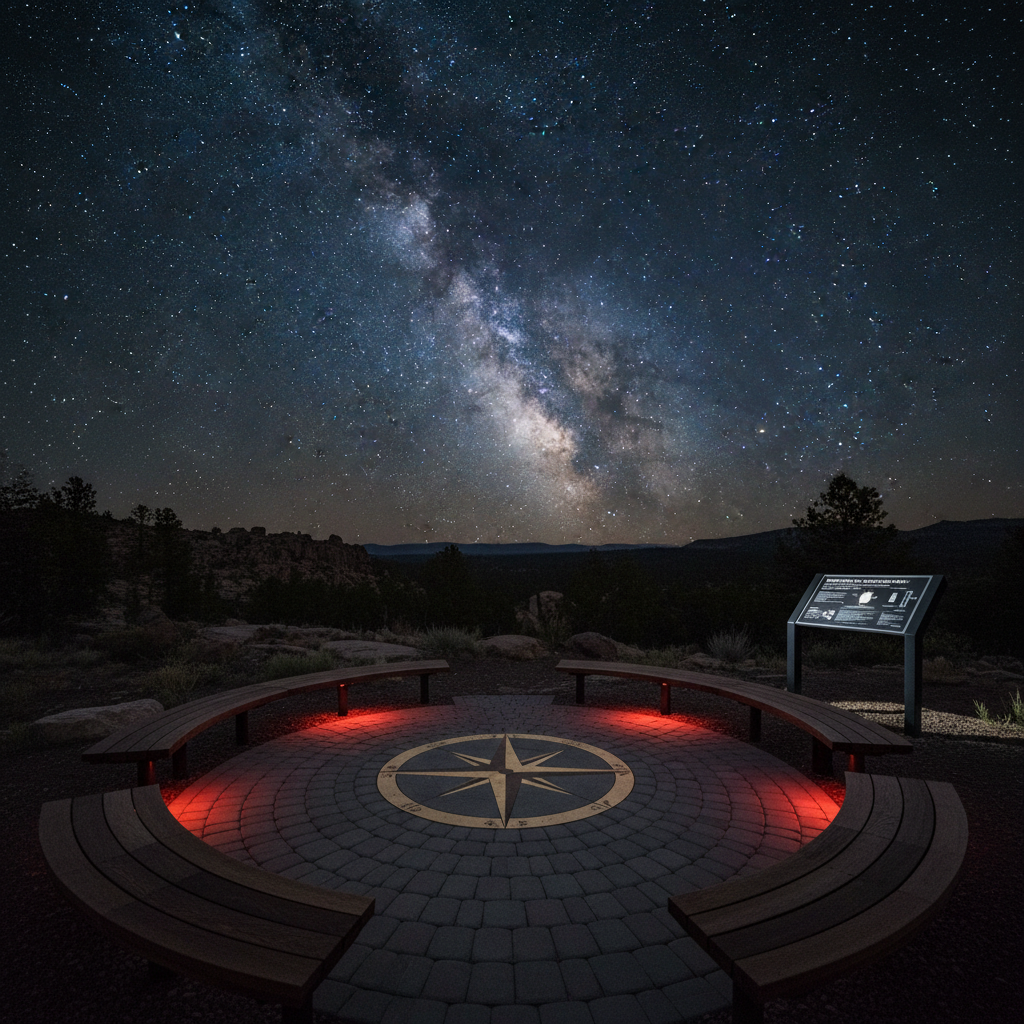
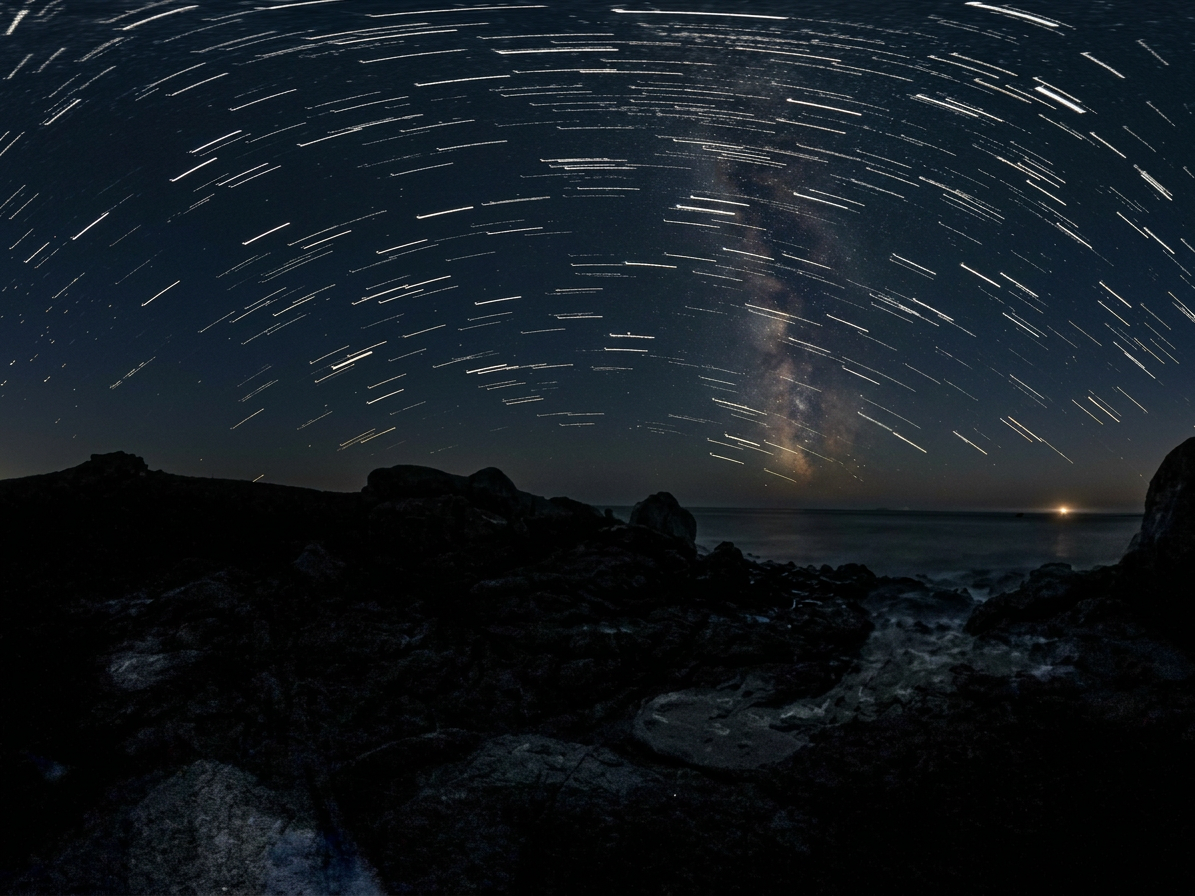
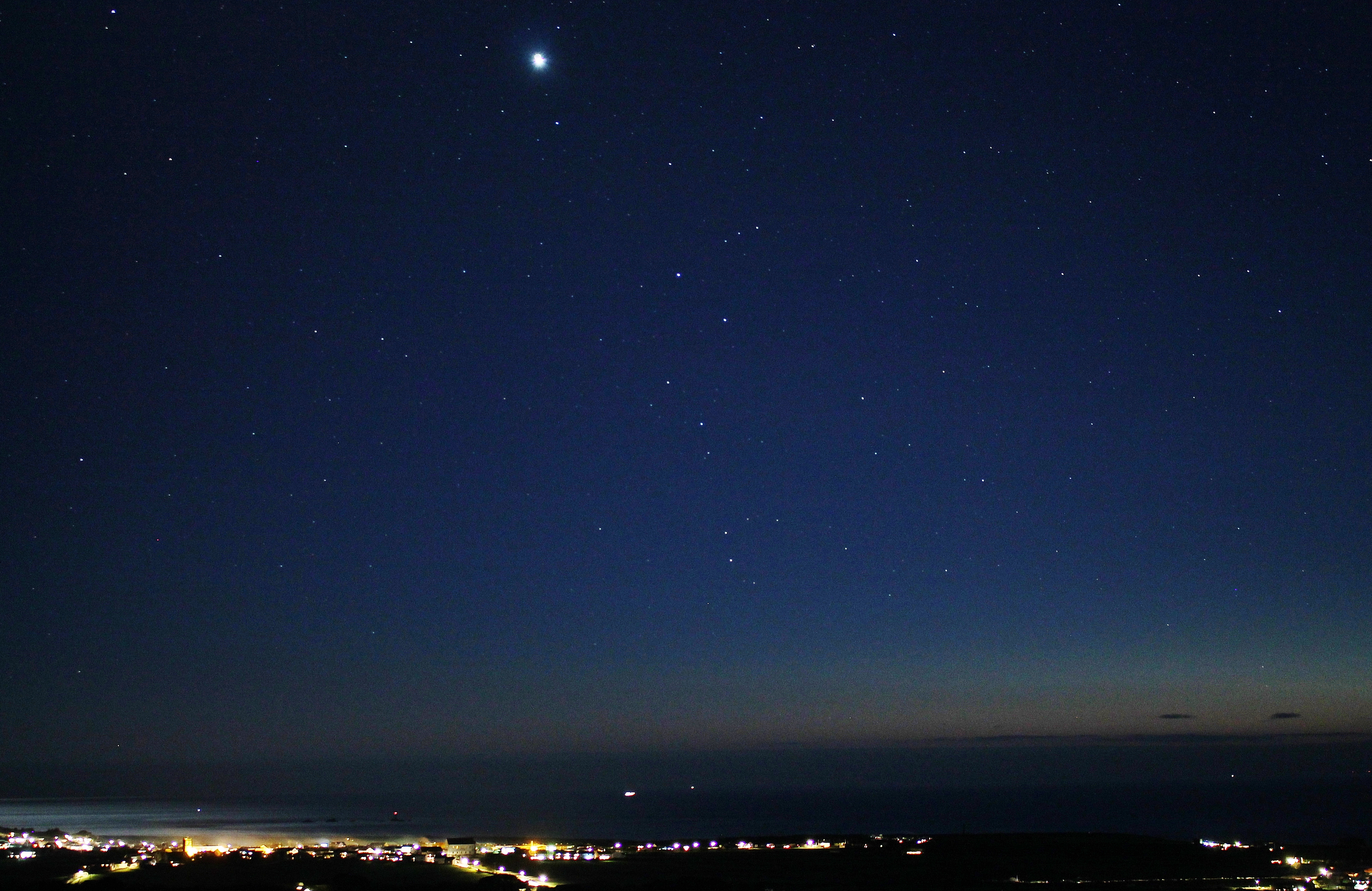
I’ve always been drawn to the night sky. What began as a personal fascination in astronomy grew into something much more reflective as I started to notice the changes happening above us. The stars I once took for granted became harder to see. Light pollution steadily brightened the night, satellites began to trace artificial paths across once-dark skies, and the natural rhythm of darkness was being lost.
At the same time, I became increasingly aware of what was happening on the ground. The decline in nocturnal and twilight wildlife, and the spread of artificial and cheap LED lighting in even the most remote places, raised real concerns for me. I began to see clearly how closely the health of our night skies is tied to the health of our ecosystems.
My academic journey in both astronomy and environmental sciences has enabled me to integrate these two perspectives. Dark skies are not just about stargazing; they are about biodiversity, human wellbeing, and our connection to the natural world.
Living and working in Cornwall has also deepened my appreciation of the cultural importance of the night sky. Through my work in archaeoastronomy, I’ve explored how our ancestors understood and connected with the stars, using the skies for navigation, storytelling, and marking the passage of time. Today, our connection to the night sky is fading, and with it, an important part of our shared heritage.
I’ve been proud to contribute to the successful Dark Sky designation for West Cornwall as part of the steering committee, and to work with organisations such as National Landscapes on Bodmin Moor, leading dark sky walks and experiences. Communicating with people about the need to retain and restore our night is important to me, and I love helping people rediscover their relationship with darkness, wonder, and the wider universe.
Why Dark Skies Learning Matters to me
This work is driven by a simple belief that the night sky is something we all have a right to experience. By protecting and celebrating dark skies, we can support nature, preserve cultural heritage, and inspire a renewed sense of connection to the world around us.
We create immersive learning experiences that reveal the real value of natural darkness and responsible lighting. Through science, culture, and storytelling, we empower communities to protect starry skies and local ecosystems.
Explore hands-on dark-sky programmes that align with your goals and ignite environmental leadership.
Our Educator
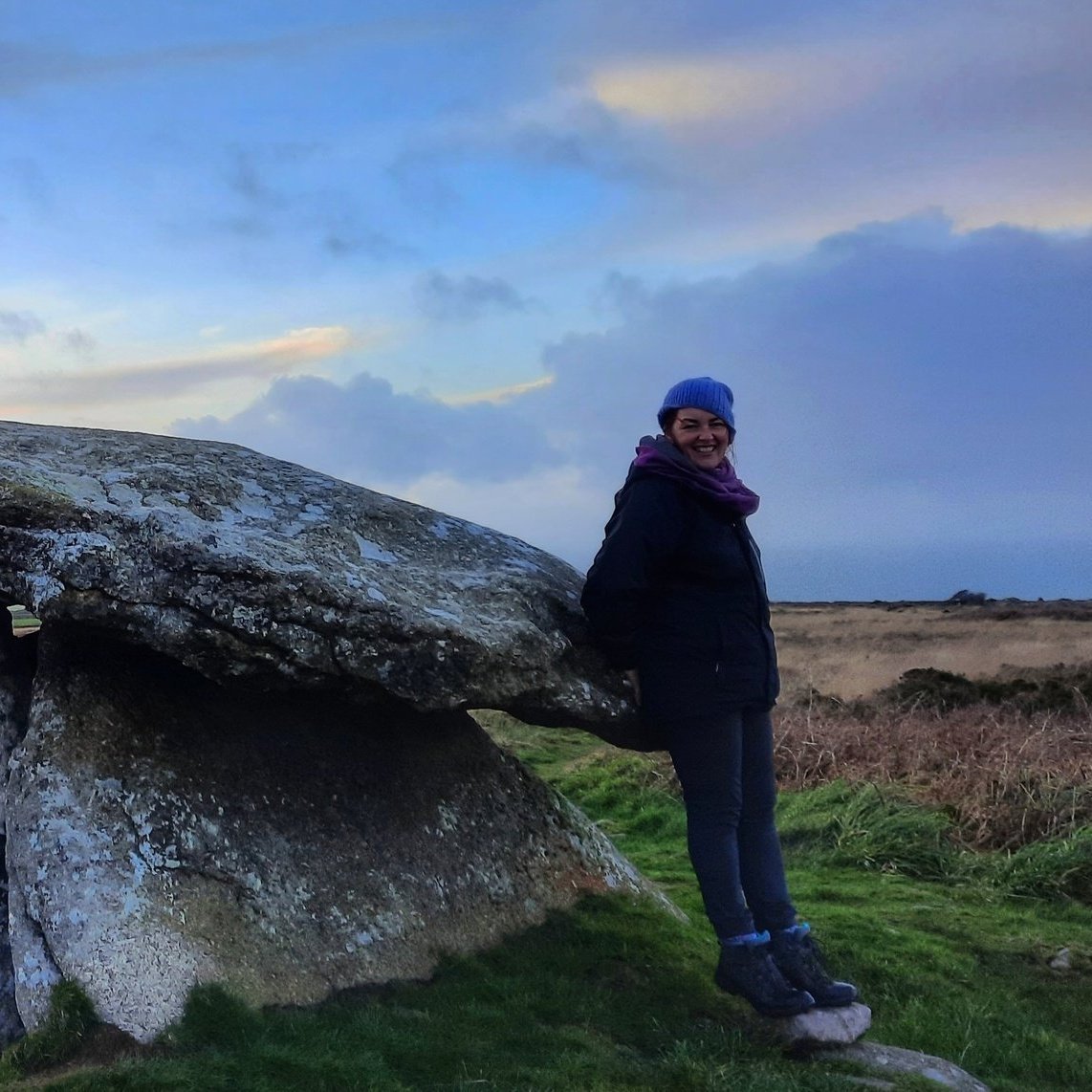
Carolyn Kennett
owner and program delivery
Under Dark Skies is led by Carolyn Kennett, who is a specialist in night sky interpretation and landscape-based learning. She will be combining astronomy, environmental awareness, and experiential education. Carolyn is a Fellow of the Royal Astronomical Society and an environmentalist with a longstanding background in the field of Dark Skies.
This builds on established work at Archaeoastronomy Cornwall, extending the exploration of human connection to the night sky into broader natural and ecological contexts. Archaeoastronomycornwall.com
Reviews
AN